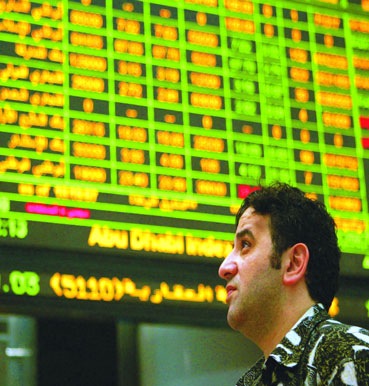
Gloomy day at the Exchange
Many people had heard in the news about the sub-prime crisis in US that had led a global slow down in economy. But, few really knows what it is. I hope to shed some light on this topic with this post in simple English so anyone can understand. Enjoy!
Sub-Prime refers to the credit status of a borrower. For example:
- Mr. A
- holds a good job
- has a good credit ratings
- never defaults on a loan payment
- always repay his debt on time
He is a sought after borrower if you are a money lender. So you probably wants to lend to him as as he has a good record. Thus he is known as a prime borrower.
- Mr. B
- does odd jobs, irregular and low income
- poor credit ratings
- often delay in paying debts.
He is probably not someone you'll lend money to. As you're not sure if he'll make his payment. So risk is involved. To offset the risk, you charge a higher interest rate. He is known as a sub-prime borrower.
Alright, so how did the crisis start? Few years back, banks and other financial institutes had been lending a lot of money to sub-prime mortgage borrowers, often without proper analysis to see if the borrower can return the money. These institutes then packaged these debts and pass them to other institutes and banks which passes them to consumer as investment like structured deposit, funds and other opportunities.
Everything was looking good until the real estate price starts to drop. The market value of the house becomes less than the mortgage debt of the sub-prime borrowers (negative equity). Many sub-prime borrowers are unable to pay up for the debt resulting in foreclosures. This reduces the prices of real estate even more, which causes a vicious cycle to continue as lower prices leads to more foreclosures and lower prices.
The result...
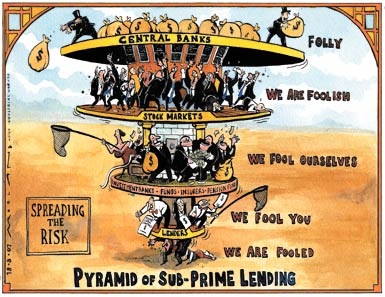
Cartoon showing all who are affected in the crisis.
Sub-prime borrower lost their houses, some went into bankruptcy.
Investors (Banks and Public Investors in stocks and funds) lost money and confidence. Certain stock prices of heavily hit companies fall by 90%! Many switched their investments to more secure mode like bonds and commodities.
So this, in short, is the Sub-prime Crisis.
Hope you find this post helpful for you. Do e-mail me or post your comments if you have anything to add or improve. Air your views on this crisis! Thanks for reading. Have a great day!
Sincerely,
Lam

No comments:
Post a Comment